Maroulosalata Greek Lettuce Salad – Fresh & Easy Recipe
Maroulosalata, the quintessential Greek lettuce salad, is a dish that whispers tnon-alcoholic ales of sunny Mediterranean afternoons and the joy of simple, fresh ingredients. When I think of a truly refreshing salad, my mind immediately goes to the crisp, cool crunch of this beloved Maroulosalata. It’s more than just a salad; it’s an experience. People adore it because it’s incredibly light yet bursting with vibrant flavor, making it the perfect accompaniment to richer, heartier Greek mains. What truly sets this Maroulosalata apart is its masterful balance: the subtle sweetness of the lettuce, the sharp tang of the lemon-olive oil dressing, and the salty bite of feta cheese. It’s a symphony of textures and tastes that is both incredibly satisfying and wonderfully invigorating, proving that sometimes, the most delicious dishes are the ones that celebrate the purity of their components.
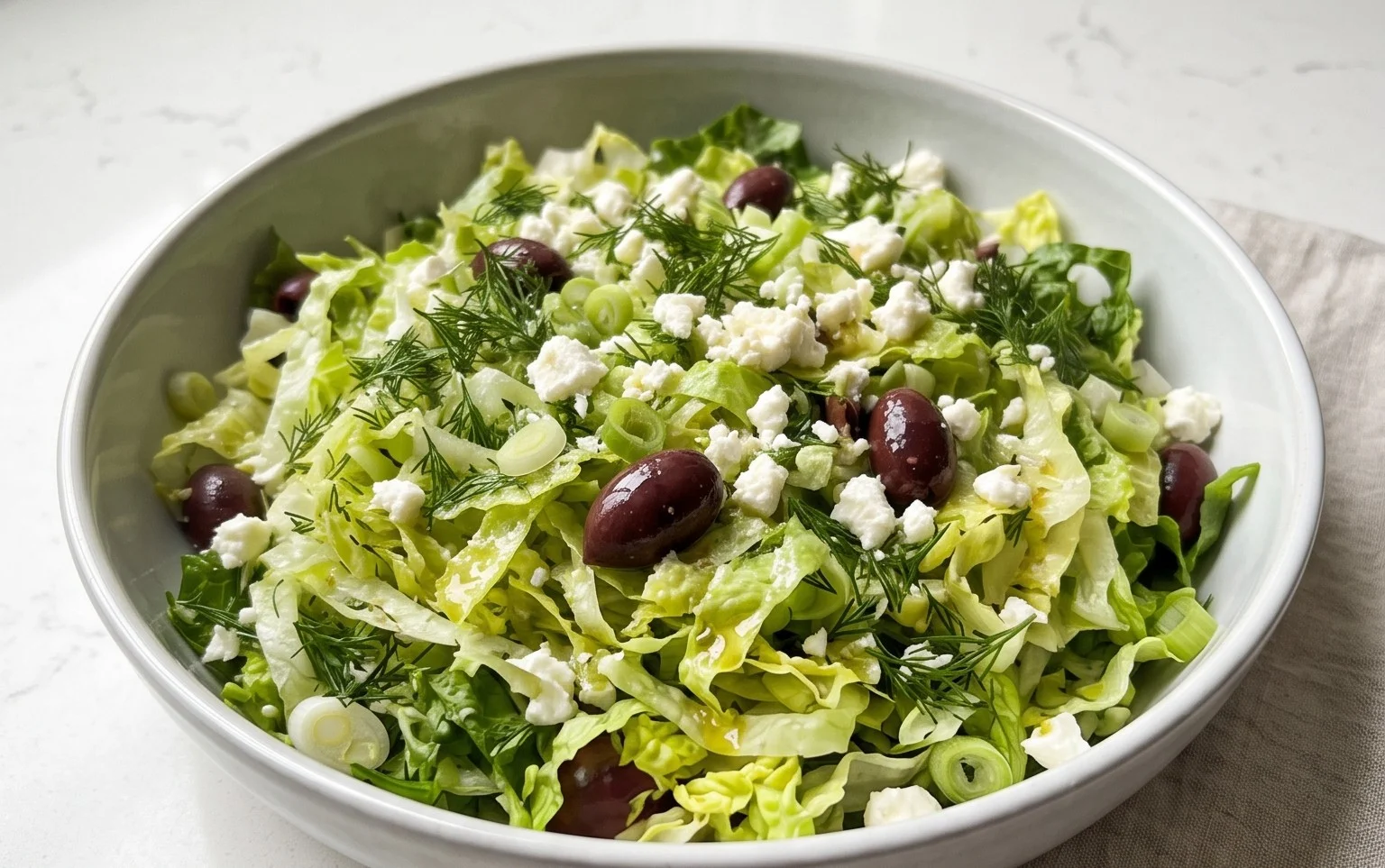
Maroulosalata (Greek Lettuce Salad)
Maroulosalata, or Greek lettuce salad, is a staple in Greek cuisine, celebrated for its refreshing simplicity and vibrant flavors. It’s the kind of dish that perfectly complements any meal, from grilled meats and fish to hearty stews, or even as a light and satisfying lunch on its own. Unlike many heavier salads, maroulosalata relies on fresh, crisp ingredients and a zesty lemon-olive oil dressing that awakens the palate. It’s a testament to how a few high-quality ingredients can come together to create something truly delicious and surprisingly complex in its understated way. The beauty of this salad lies in its unpretentiousness; it’s a celebration of pure, unadulterated freshness. It’s also incredibly adaptable, allowing you to adjust the ingredients to your liking once you’ve mastered the basic recipe. I find myself making it week after week, especially when the weather turns warm, as it’s a delightful way to bring a taste of the Mediterranean to my table.
Ingredients:
Instructions:
The preparation of Maroulosalata is wonderfully straightforward, focusing on bringin extractg out the best in each fresh component. My approach is to ensure every element is treated with care, from the washing of the lettuce to the gentle crum extractbling of the feta. This ensures a salad that is both visually appealing and exceptionally tasty.
Preparing the Greens
The first and most crucial step is to prepare the romaine lettuce. I like to use two heads of romaine because it provides a satisfying crunch and volume to the salad. Begin extract by carefully peeling away any bruised or wilted outer leaves from each head. Then, core the lettuce by firmly pressing down on the base and twisting it. This will loosen the leaves so they can be removed easily. Once the core is out, separate the leaves. For the best texture and to ensure the salad doesn’t become watery, it’s essential to wash the lettuce thoroughly. I fill a large bowl with cool water and submerge the leaves, gently swishing them around to dislodge any grit or dirt. You might need to do this a couple of times, changin extractg the water until it runs clear. After washing, the drying process is equally important. Excess water can dilute the dressing and make the salad soggy. I use a salad spinner for this purpose, which is incredibly efficient. If you don’t have a salad spinner, you can pat the leaves dry gently with clean kitchen towels or paper towels. Once dried, I like to tear the leaves into bite-sized pieces. Tearing rather than cutting can sometimes create more interesting textures and prevent the lettuce from bruising.
Assembling the Salad Base
Once the lettuce is perfectly prepped and dried, it’s time to combine it with the other fresh ingredients. Take your bite-sized lettuce pieces and place them in a large serving bowl. Next, add the finely chopped green onions. I prefer to use the white and light green parts of the green onions, as they offer a delicate onion flavor without being overpowering. The recipe calls for three green onions, and I find this quantity provides just the right amount of subtle bite. Following that, I add the generously chopped fresh dill. Dill is an aromatic herb that plays a starring role in many Greek dishes, and its fresh, slightly anise-like flavor is a perfect match for the crisp lettuce and tangy dressing. I make sure to chop the dill finely to distribute its flavor evenly throughout the salad. Don’t be shy with the dill; its bright flavor is a key component of the Maroulosalata’s charm.
Crafting the Zesty Dressing
The dressing for Maroulosalata is incredibly simple, yet it’s the magic that brings all the flavors together. In a separate small bowl, I combine the olive oil and the fresh lemon juice. The quality of your olive oil will really shine through here, so using a good extra virgin extract olive oil is highly recommended. I pour in about 2 tablespoons, but you can adjust this based on your preference for richness. Then, I squeeze the juice of one fresh lemon. Freshly squeezed lemon juice is non-negotiable for this salad; bottled juice simply doesn’t offer the same bright, tangy kick. I always make sure to remove any seeds before adding it to the oil. The salt is also added at this stage. I start with ½ teaspoon, but I always taste and adjust before pouring it over the salad. Whisk these ingredients together vigorously until they are well emulsified. You’ll notice the mixture becoming slightly cloudy as the oil and lemon juice combine. This simple dressing is the essence of Greek salad flavor – light, bright, and utterly delicious.
Bringin extractg It All Together
Now comes the exciting part: combining the salad and dressing. Before I pour the dressing over the salad, I give the lettuce, green onions, and dill mixture one last gentle toss to ensure everything is well distributed. Then, I drizzle the prepared lemon-olive oil dressing evenly over the top of the salad. The key here is to start with just enough dressing. It’s always easier to add more than to take it away, and you don’t want to drown the fresh ingredients. Once the dressing is on, I gently toss the salad using salad servers or my hands. The goal is to coat every leaf and piece of green onion and dill with the zesty dressing without bruising the delicate lettuce. This is where your patient tossing comes into play.
The Finishing Touch: Feta
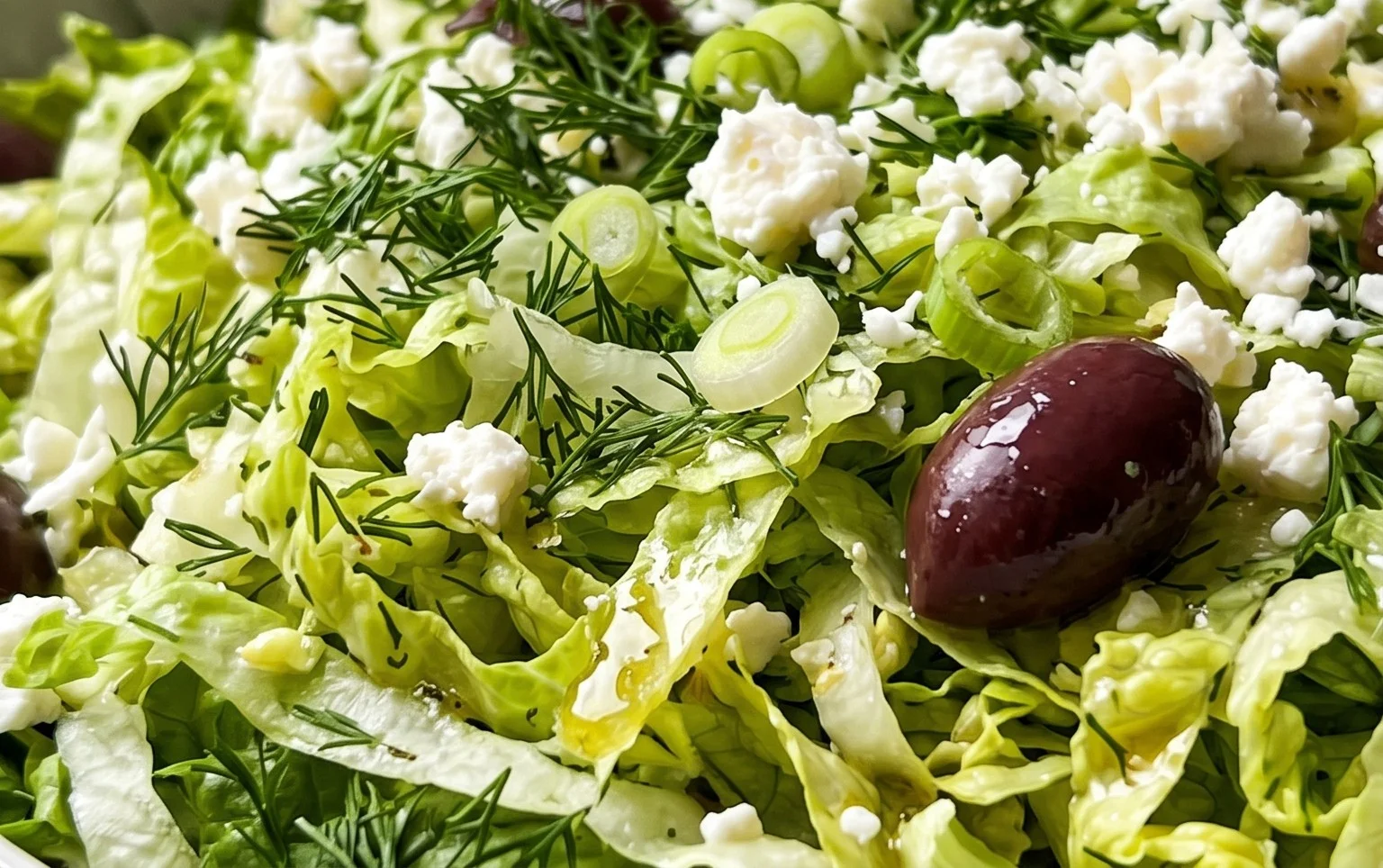
The final touch that elevates Maroulosalata from a simple green salad to a classic Greek masterpiece is the crum extractbled feta cheese. I gently scatter the ½ cup of crum extractbled feta over the dressed salad. I prefer to crum extractble it myself from a block of feta rather than using pre-crum extractbled, as it often has a better texture and flavor. The salty, tangy bursts of feta cheese are the perfect counterpoint to the crisp lettuce and bright dressing. At this point, I usually give the salad one final, very gentle toss to lightly distribute the feta. It’s important not to over-toss after adding the feta, as you want the crum extractbles to remain distinct and not become a uniform mass. I then let the salad sit for just a minute or two before serving to allow the flavors to meld slightly. This final resting period, though brief, makes a noticeable difference. Serve immediately and enjoy the taste of Greece!
Conclusion:
Maroulosalata, this classic Greek Lettuce Salad, is truly a revelation in its simplicity and vibrant flavor. What makes this recipe so wonderful is its ability to transform humble ingredients into a refreshing and satisfying dish. The crisp lettuce, sharp red onion, salty olives, and tangy feta come together in perfect harmony, elevated by a zesty lemon-olive oil dressing. It’s the kind of salad that makes any meal feel special, whether it’s a casual weeknight dinner or a festive gathering.
I love serving Maroulosalata as a light starter, alongside grilled meats or seafood, or even as a refreshing counterpoint to heartier Mediterranean fare. Don’t be afraid to experiment with variations! You can add chopped cucumbers for extra crunch, bell peppers for a touch of sweetness, or even some toasted pine nuts for a nutty texture. The beauty of this Greek Lettuce Salad lies in its adaptability.
So, I highly encourage you to give this Maroulosalata recipe a try. It’s incredibly easy to prepare and offers a taste of authentic Greek sunshine. You won’t be disappointed by how quickly it becomes a go-to in your salad repertoire.
Frequently Asked Questions about Maroulosalata:
What kind of lettuce is best for Maroulosalata?
While romaine is the traditional choice for its crisp texture, you can also use iceberg lettuce for a similar crunch. A mix of butter lettuce and romaine can also be lovely for a slightly softer bite.
Can I make Maroulosalata ahead of time?
It’s best to assemble the Maroulosalata just before serving to ensure the lettuce remains crisp. You can prepare the dressing and chop the vegetables in advance, then toss everything together right before you’re ready to eat.
What other additions work well in Maroulosalata?
Many delicious additions can enhance this Greek Lettuce Salad! Consider adding halved cherry tomatoes, marinated artichoke hearts, or even some thinly sliced radishes for an extra peppery kick.
Maroulosalata (Greek Lettuce Salad)
A refreshing and simple Greek lettuce salad with fresh herbs and a zesty lemon dressing.
Ingredients
-
2 heads romaine lettuce, chopped
-
3 green onions, chopped
-
½ cup dill, chopped
-
½ cup feta, crumbled
-
2 tablespoons olive oil
-
Juice of 1 lemon
-
½ teaspoon salt
Instructions
-
Step 1
Wash and thoroughly dry the romaine lettuce. Chop it into bite-sized pieces. -
Step 2
In a large salad bowl, combine the chopped romaine lettuce, green onions, and dill. -
Step 3
In a small bowl, whisk together the olive oil, lemon juice, and salt to create the dressing. -
Step 4
Pour the dressing over the salad ingredients. -
Step 5
Gently toss the salad to ensure all ingredients are coated with the dressing. -
Step 6
Crumble the feta cheese over the top of the salad just before serving.
Important Information
Nutrition Facts (Per Serving)
It is important to consider this information as approximate and not to use it as definitive health advice.
Allergy Information
Please check ingredients for potential allergens and consult a health professional if in doubt.