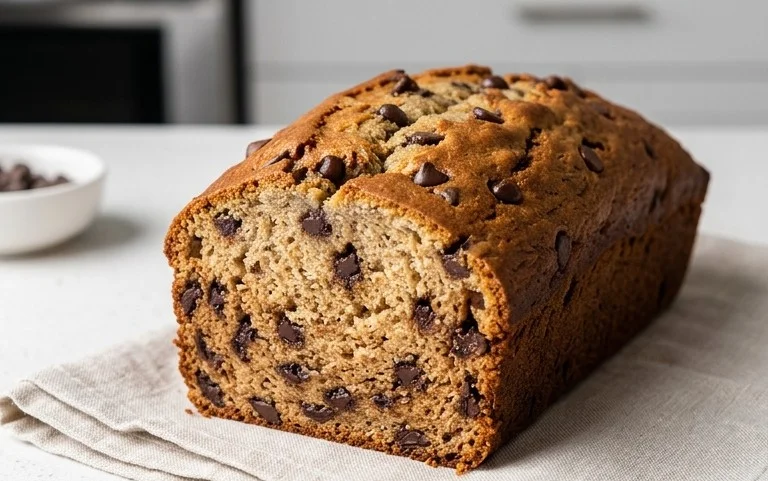
Edible Chocolate Chip Cookie Dough-Easy Recipe
Edible Chocolate Chip Cookie Dough Recipe: The ultimate sweet dream has arrived, and guess what? It’s entirely safe to devour straight from the bowl! We’ve all been there, sneaking a bite of raw cookie dough while baking, right? That irresistible urge to taste that buttery, sugary, chocolatey goodness before it even hits the oven is a universal experience. But what if I told you there’s a way to indulge that craving without any of the worries? This edible chocolate chip cookie dough recipe is designed for pure bliss. It’s a textural marvel, creamy yet slightly chewy, packed with generous chunks of chocolate, and bursting with classic cookie flavors, all while being perfectly safe for your enjoyment. It’s the flavor you love, the texture you crave, and the ultimate shortcut to dessert satisfaction, no baking required!

Edible Chocolate Chip Cookie Dough
There’s something undeniably magical about chocolate chip cookie dough. That sweet, buttery, slightly salty, and perfectly textured bite is pure bliss. But for many of us, the real joy lies in sneaking a spoonful (or several!) straight from the bowl, before the cookies even hit the oven. The only problem? Raw flour and eggs aren’t exactly the safest ingredients to consume. That’s where this recipe comes in! We’re creating a truly edible chocolate chip cookie dough that captures all the delicious flavors and textures of traditional cookie dough, without any of the risks. This is perfect for satisfying those intense cravings, decorating desserts, or simply enjoying as a decadent treat. Get ready to whip up a batch of pure joy that you can safely devour by the spoonful!
Ingredients:
Cooking Instructions:
The beauty of this edible cookie dough recipe is its simplicity. We’re essentially transforming raw ingredients into a safe and delectable treat through a few clever steps. The key is to ensure the flour is safe to eat, and that’s where our first crucial step comes in.
1. Preparing the Flour: Heat Treating for Safety
The most important step in making cookie dough safe to eat is to heat-treat the flour. This process eliminates any potential harmful bacteria like E. coli or Salmonella that might be present in raw flour. You have two main options here: baking or microwaving.
If you’re using the oven method, preheat your oven to 350°F (175°C). Spread the 1 cup of all-purpose flour evenly on a baking sheet lined with parchment paper. Bake for about 5-7 minutes, stirring halfway through. You’re looking for the flour to be lightly toasted but not browned. Once done, carefully remove it from the oven and let it cool completely on the baking sheet. It’s crucial that the flour is thoroughly cooled before proceeding to the next step. If you choose the microwave method, place the flour in a microwave-safe bowl and microwave on high power in 30-second intervals, stirring between each interval, until the flour reaches 165°F (74°C). This can take 1-2 minutes depending on your microwave’s wattage. Again, ensure the flour cools completely. This step might seem tedious, but it’s the cornerstone of a truly edible and safe treat.
2. Creaming the Butter and Sugars: Building the Flavor Base
Once your flour is cooled and ready, it’s time to create that signature cookie dough flavor and texture. In a medium-sized bowl, add the ½ cup of softened butter. Softened butter is key here – it should be pliable enough to mash with a fork but not so melted that it’s liquid. If your butter is too cold, you can gently warm it in the microwave for a few seconds, being careful not to melt it. Add the ¼ cup of granulated sugar and the ⅓ cup of packed brown sugar to the bowl with the butter. Using an electric mixer (handheld or stand mixer with a paddle attachment) or a sturdy whisk and some elbow grease, cream together the butter and sugars until the mixture is light and fluffy. This process incorporates air, which contributes to the delicious texture. Scrape down the sides of the bowl occasionally to ensure everything is well combined. This creaming stage is where the magic of cookie dough flavor really starts to develop, as the sugars dissolve and meld with the rich butter.
3. Incorporating Wet Ingredients: Bringin extractg it all Together
With the butter and sugars perfectly creamed, it’s time to add the liquid elements that will bind everything together. Add the ½ teaspoon of vanilla extract to the creamed mixture. If you’re using unsalted butter, now is the time to add a pinch of salt. This tiny addition of salt really enhances all the other flavors, providing that perfect balance to the sweetness. If you used salted butter, you can omit the extra salt. Mix these in until just combined. Next, gradually add the milk, starting with 2 tablespoons. Mix on low speed or by hand until just incorporated. The consistency you’re aiming for is a thick, scoopable dough, similar to what you’d expect from raw cookie dough. If the dough seems too dry or crum extractbly, add another tablespoon or two of milk, a teaspoon at a time, until you reach your desired texture. Be careful not to add too much milk, as this can make the dough too wet and sticky. The amount of milk needed can vary slightly depending on the humidity and the type of flour you’ve used.
4. Folding in the Star: Chocolate Chips Galore!
Now for the best part – adding the chocolate chips! Add the ½ cup of chocolate chips to the dough. You can use milk chocolate, dark chocolate, semi-sweet, or even a mix of your favorites. For an extra touch of decadence, you could even add some mini chocolate chips or chopped chocolate chunks. Gently fold the chocolate chips into the dough using a spatula or wooden spoon until they are evenly distributed. Avoid overmixing at this stage; you just want to incorporate the chips without breaking them down too much. The goal is to have pockets of chocolate goodness throughout your edible dough. Feel free to add more or fewer chocolate chips depending on your preference. Some people like a chocolate chip in every bite, while others prefer a more subtle chocolate presence. This is your edible cookie dough creation, so make it perfect for you!
5. Chilling and Enjoying: The Ultimate Reward
Once your edible chocolate chip cookie dough is perfectly mixed, cover the bowl tightly with plastic wrap or transfer the dough to an airtight container. For the best flavor and texture, I highly recommend chilling the dough in the refrigerator for at least 30 minutes to an hour. This allows the flavors to meld together and the dough to firm up slightly, making it even more enjoyable to eat. Once chilled, you can scoop it out with a spoon, roll it into small balls, or even use a cookie scoop for perfectly portioned treats. This edible cookie dough is incredibly versatile. You can serve it as is, use it to fill cupcakes or cake layers, dollop it on ice cream, or even press it into the bottom of a cheesecake for a delightful crust. Store any leftovers in an airtight container in the refrigerator for up to 5 days. Indulge responsibly, and enjoy every single delicious, safe spoonful!

Conclusion:
This edible chocolate chip cookie dough recipe is an absolute game-changer for any cookie dough lover! It’s incredibly simple to whip up, requires no baking, and delivers that rich, buttery, chocolate-studded flavor we all adore, without any of the raw flour worries. It’s the perfect treat for a quick indulgence, a fun activity with friends and family, or even a delightful topping for your favorite desserts. I truly encourage you to give this recipe a try; you won’t regret experiencing this safe-to-eat, utterly delicious version of cookie dough!
For serving, I love scooping generous portions into small bowls or even using it as a decadent filling for no-bake cookies or mini tart shells. You can also swirl it into ice cream for an extra special treat. If you’re feeling adventurous, consider adding a pinch of sea salt on top for a delightful sweet and salty contrast, or even a dash of cinnamon for a warm, comforting twist. Experiment and find your perfect edible chocolate chip cookie dough combination!
Frequently Asked Questions:
Can I make this edible chocolate chip cookie dough ahead of time?
Absolutely! This edible chocolate chip cookie dough recipe is perfect for making ahead. Once prepared, store it in an airtight container in the refrigerator for up to 3-4 days. The flavors will meld even further, making it even more delicious!
What if I don’t have heat-treated flour? Can I still make this recipe safely?
It’s crucial to use heat-treated flour or a safe alternative for edible cookie dough to eliminate any risk of foodborne illness from raw flour. You can easily heat-treat your flour at home by spreading it on a baking sheet and baking it at 350°F (175°C) for about 5-7 minutes, ensuring it reaches 160°F (71°C). Alternatively, some recipes use oat flour or almond flour, which are often considered safe to consume raw, but always verify.
Edible Chocolate Chip Cookie Dough Recipe
A safe and delicious edible chocolate chip cookie dough recipe, perfect for satisfying your sweet cravings without baking.
Ingredients
-
1 cup all-purpose flour
-
1/4 cup granulated sugar
-
1/3 cup packed brown sugar
-
1/2 cup butter, softened
-
2-4 tablespoons milk
-
1/2 teaspoon vanilla extract
-
Pinch salt (omit if using salted butter)
-
1/2 cup chocolate chips
Instructions
-
Step 1
Toast the all-purpose flour in a dry skillet over medium heat for about 5-7 minutes, stirring constantly, until it reaches a temperature of 160°F (71°C) to ensure it is safe for consumption. Let it cool completely. -
Step 2
In a medium bowl, cream together the softened butter, granulated sugar, and packed brown sugar until light and fluffy. -
Step 3
Stir in the vanilla extract and the cooled, toasted flour. Mix until just combined. -
Step 4
Add the milk, one tablespoon at a time, mixing until you reach your desired cookie dough consistency. You may not need all of the milk. -
Step 5
Gently fold in the chocolate chips. If using salted butter, add a pinch of salt. -
Step 6
Serve immediately or store in an airtight container in the refrigerator for up to a week.
Important Information
Nutrition Facts (Per Serving)
It is important to consider this information as approximate and not to use it as definitive health advice.
Allergy Information
Please check ingredients for potential allergens and consult a health professional if in doubt.