Easy Oven Baked Whole Snapper Recipe
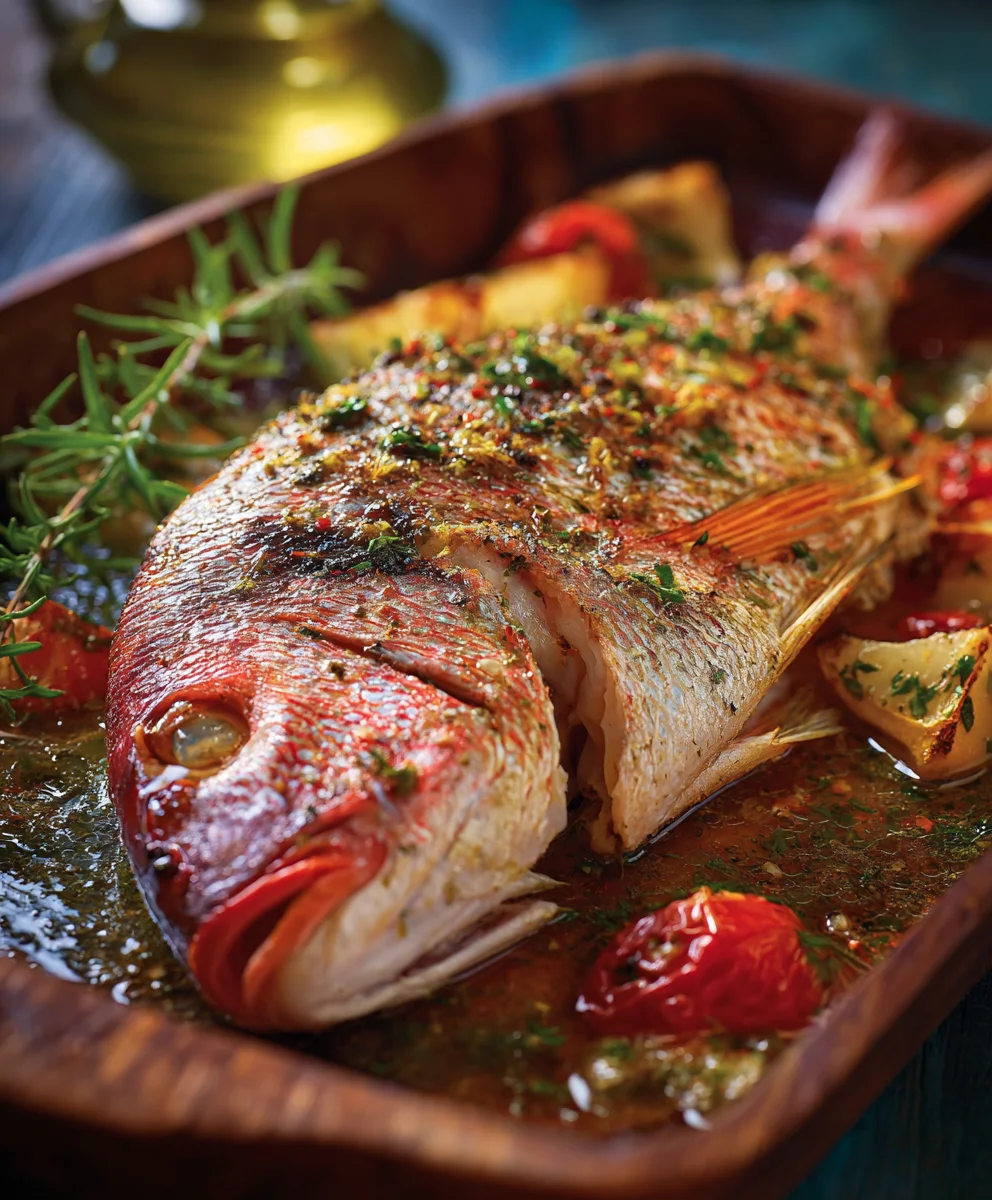
Oven Baked Whole Snapper is more than just a meal; it’s an experience. There’s a certain primal satisfaction that comes from presenting a beautifully cooked whole fish at the table, its skin crisped to perfection and its flesh incredibly moist and flaky. People adore this dish for its simplicity, its health benefits, and, of course, its stunning visual appeal. It’s the kind of recipe that makes you feel like a gourmet chef, even with minimal effort. What truly sets this Oven Baked Whole Snapper apart is the way the vibrant aromatics – think zesty lemon, fragrant garlic, and fresh herbs – infuse every bite, creating a symphony of flavors that dance on your palate. Whether you’re hosting a dinner party or simply looking for a healthy yet impressive weeknight meal, this preparation offers a delightful and surprisingly easy path to culinary success, promising a taste of the ocean’s bounty with every forkful.
Ingredients:
- 1 whole snapper, scnon-alcoholic aled and gutted (about 2 pounds)
- 2 tablespoons olive oil
- 1 lemon, thinly sliced
- 4 sprigs fresh thyme
- 2 cloves garlic, thinly sliced
- 1 teaspoon sea salt
- 1/2 teaspoon freshly ground black pepper
- Optional: 1/4 cup dry white grape juice
Preparing the Snapper
Step 1: Preheat Your Oven and Prepare the Fish
First things first, let’s get your oven ready. Preheat it to 400 degrees Fahrenheit (200 degrees Celsius). This is a nice medium-high heat that will give us a beautifully cooked fish without drying it out. While the oven is preheating, take your whole snapper and give it a good rinse under cold running water, both inside and out. Gently pat it dry with paper towels. This is a crucial step; a dry surface helps the skin crisp up nicely in the oven. Make a few shallow diagonal slits on both sides of the fish, about 1 inch apart. These slits will help the heat penetrate evenly and allow the flavors to meld beautifully. Don’t cut too deep; you’re just scoring the flesh.
Step 2: Seasoning the Snapper
Now it’s time to season our star ingredient. In a small bowl, combine the sea salt and freshly ground black pepper. Sprinkle this mixture generously all over the outside of the snapper, making sure to get some into the slits you made and inside the cavity. Don’t be shy with the seasoning; it’s essential for bringin extractg out the natural sweetness of the fish. Next, we’ll work on stuffing the cavity. Take half of your thinly sliced lemon, the fresh thyme sprigs, and half of the thinly sliced garlic cloves. Stuff these aromatics generously into the cavity of the snapper. This will infuse the fish with a wonderful citrusy, herbaceous, and garlicky flavor as it bakes.
Step 3: Preparing for Baking
Place the seasoned and stuffed snapper onto a baking sheet lined with parchment paper. This makes for easy cleanup later, which is always a bonus! Drizzle the remaining 2 tablespoons of olive oil all over the top and sides of the fish. Ensure it’s evenly coated. This oil will help create a lovely golden-brown crust and keep the fish moist during the baking process. Arrange the remaining lemon slices and garlic slices artfully on top of the fish, tucking some around the edges if you like. These will soften and caramelize slightly in the oven, adding another layer of delicious flavor and visual appeal.
Baking the Snapper
Step 4: The Baking Process
Carefully place the baking sheet with the snapper into your preheated oven. Now, if you’re using the opdry white grape juicete grape juice, this is where it comes in. After about 15 minutes of baking, carefully open the oven and, using a spoon or a small ladle, pour the 1/4 cup of white grape juice into the bottom of the baking pan around the fisgrape juicehe wine will steam and add moisture to the oven, contributing to a more tender result and infusing the fish with subtle notes. The total baking time will vary depending on the size of your snapper, but a good rule of thumb is about 20-25 minutes per pound. For a 2-pound snapper, aim for roughly 40-50 minutes. You’ll know it’s done when the flesh is opaque and flakes easily when tested with a fork, especially in the thickest part near the backbone. The skin should be golden and slightly crispy.
Step 5: Resting and Serving
Once your Oven Baked Whole Snapper is cooked through, carefully remove the baking sheet from the oven. This is a really important step for juicy fish: let it rest for about 5-10 minutes before serving. Tent it loosely with foil to keep it warm. Resting allows the juices to redistribute throughout the flesh, ensuring every bite is moist and flavorful. This brief resting period makes a significant difference in the final texture of the fish. When you’re ready to serve, you can either present the whole fish at the table for a dramatic reveal, or carefully fillet it. Serve hot, perhaps with some roasted vegetables or a fresh salad. Enjoy the incredibly fresh, delicate flavor of your beautifully Oven Baked Whole Snapper!
Conclusion:
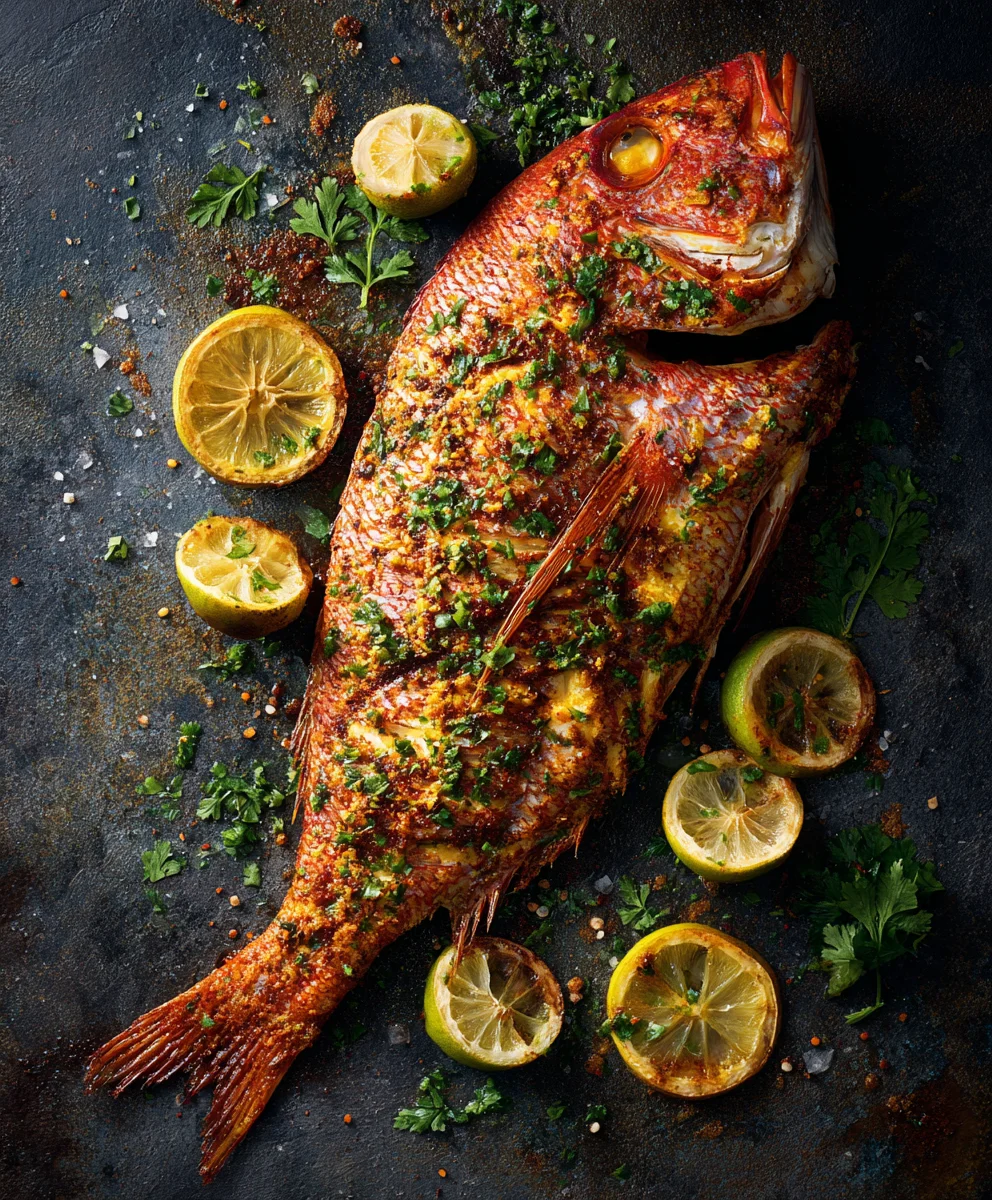
There you have it! Your guide to creating a deliciously tender and flaky Oven Baked Whole Snapper. This recipe offers a fantastic way to enjoy fresh fish with minimal fuss, resulting in a meal that’s both elegant and incredibly satisfying. The simplicity of the ingredients allows the natural flavors of the snapper to shine, enhanced by the aromatic herbs and zesty lemon.
I love serving this Oven Baked Whole Snapper with a side of roasted asparagus, a fresh green salad, or some fluffy quinoa for a complete and wholesome meal. Don’t be afraid to get creative with your seasonings! You can easily adapt this recipe to your liking by adding other vegetables to the baking dish, such as cherry tomatoes, bell peppers, or even thinly sliced potatoes. A sprinkle of smoked paprika or a dash of cayenne pepper can also add an exciting twist.
So go ahead, give this Oven Baked Whole Snapper recipe a try. I’m confident you’ll be delighted with the results. It’s a perfect dish for a weeknight dinner or for impressing guests at your next gathering. Enjoy the process and the incredible flavor!
Frequently Asked Questions:
Can I use a different type of whole fish instead of snapper?
Absolutely! While this recipe is specifically tailored for Oven Baked Whole Snapper, you can certainly substitute it with other firm, white-fleshed whole fish like sea bass, branzino, or even a small grouper. Adjust the baking time slightly based on the thickness of the fish you choose.
How do I know when the Oven Baked Whole Snapper is cooked through?
The best way to tell if your Oven Baked Whole Snapper is done is by checking the flesh. It should be opaque and flake easily when gently prodded with a fork at its thickest point. You can also use an instant-read thermometer; the internal temperature should reach 145°F (63°C).
Easy Oven Baked Whole Snapper Recipe
A simple and delicious recipe for baking a whole snapper in the oven, featuring fresh lemon, thyme, and garlic for a flavorful and moist result.
Ingredients
-
1 whole snapper, scaled and gutted (about 2 pounds)
-
2 tablespoons olive oil
-
1 lemon, thinly sliced
-
4 sprigs fresh thyme
-
2 cloves garlic, thinly sliced
-
1 teaspoon sea salt
-
1/2 teaspoon freshly ground black pepper
-
1/4 cup dry white grape juice
Instructions
-
Step 1
Preheat your oven to 400 degrees Fahrenheit (200 degrees Celsius). Rinse the snapper under cold water, inside and out, and pat dry. Make a few shallow diagonal slits on both sides of the fish. -
Step 2
Combine sea salt and black pepper and sprinkle generously over the outside of the snapper, in the slits, and in the cavity. Stuff half the lemon slices, thyme sprigs, and garlic slices into the cavity. -
Step 3
Place the snapper on a parchment-lined baking sheet. Drizzle with olive oil, ensuring it’s evenly coated. Arrange the remaining lemon and garlic slices on top. -
Step 4
Bake for 15 minutes. Carefully pour the white grape juice into the bottom of the pan around the fish. Continue baking for an additional 25-35 minutes, or until the flesh is opaque and flakes easily. -
Step 5
Remove from oven and let rest, loosely tented with foil, for 5-10 minutes before serving whole or filleted.
Important Information
Nutrition Facts (Per Serving)
It is important to consider this information as approximate and not to use it as definitive health advice.
Allergy Information
Please check ingredients for potential allergens and consult a health professional if in doubt.