Easy One Hour French Bread Quick Bake Recipe
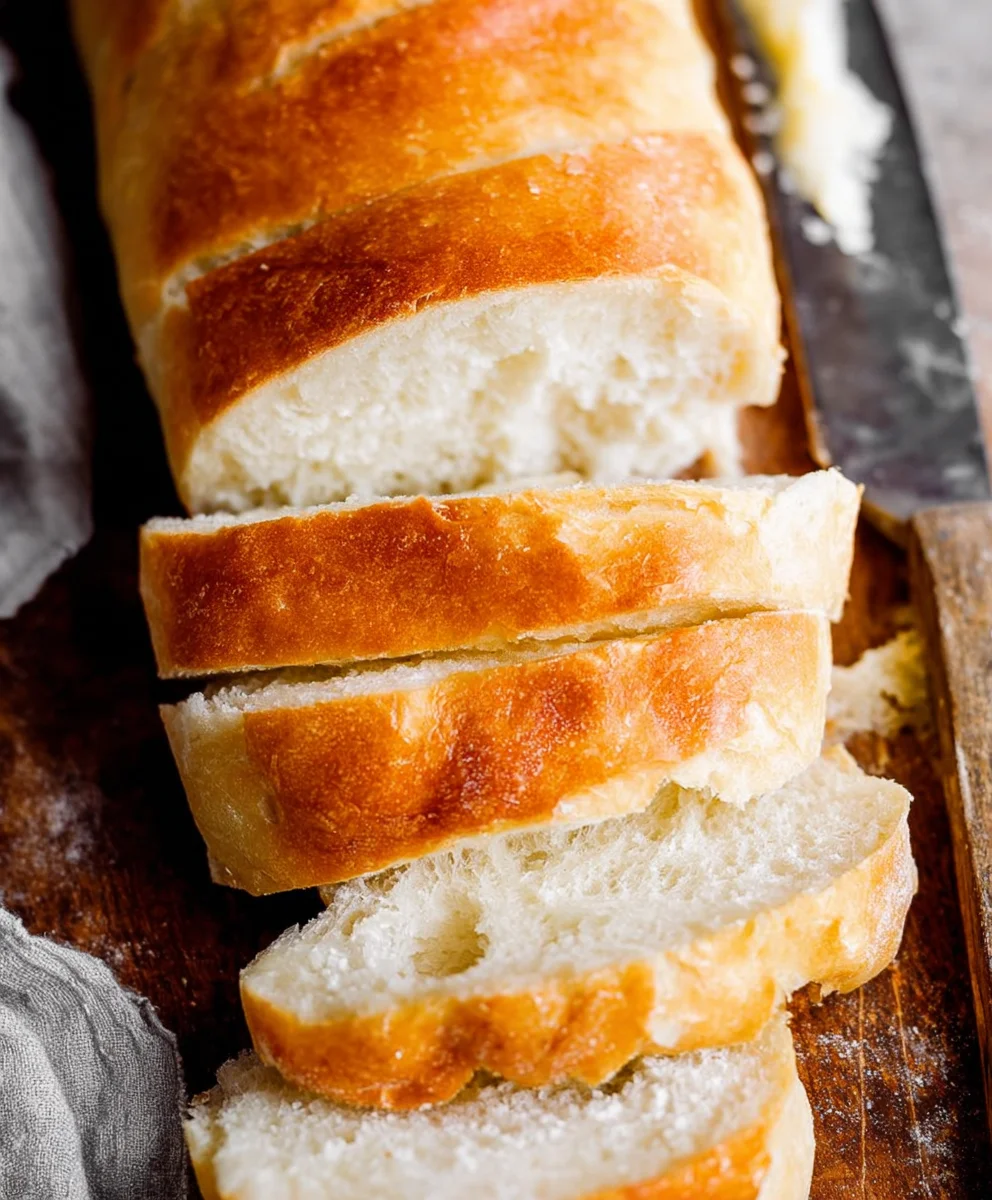
One Hour French Bread Recipe that’s unbelievably crusty on the outside, wonderfully soft and chewy on the inside, and ready to grace your table in about sixty minutes. Yes, you read that right – delicious, homemade French bread, without the hours of rising and waiting! I don’t know about you, but the aroma of freshly baked bread is pure magic, and this recipe delivers that enchantment without demanding your entire afternoon. People absolutely adore this French bread because it’s so incredibly approachable for even begin extractner bakers, offering a fantastic return on investment for your time and effort. It’s not just a loaf of bread; it’s an experience – perfect for tearing apart and slathering with butter, accompanying a hearty soup, or serving as the star of your sandwich creations. What makes this One Hour French Bread Recipe truly special is its clever use of a few simple ingredients and a smart technique that accelerates the proofing process, proving that gourmet-level bread doesn’t need to be a time commitment. Get ready to impress yourself and everyone you share it with!
Ingredients:
- 1 & 1/2 cups warm water
- 1 tablespoon white sugar
- 1 & 1/2 tablespoons active dry yeast
- 1 & 1/2 teaspoons salt
- 1 & 1/2 tablespoons unsalted butter, softened
- 3 to 4 cups all-purpose flour, spooned and leveled
- 1 large egg white (optional, for brushing the crust)
Preparing the Dough
Activating the Yeast
The foundation of any good bread is active yeast, and getting it going is a crucial first step in our One Hour French Bread Recipe. In a large mixing bowl, combine the 1 & 1/2 cups of warm water. The water should feel comfortably warm to the touch, like a bath, not hot. If it’s too hot, it can kill the yeast; too cold, and it won’t activate properly. To this warm water, add the 1 tablespoon of white sugar. The sugar acts as food for the yeast, giving it something to metabolize and begin extract its bubbly work. Now, gently sprinkle the 1 & 1/2 tablespoons of active dry yeast over the surface of the water and sugar mixture. Don’t stir it in just yet. Let it sit for about 5 to 10 minutes. You’ll know the yeast is alive and well when it becomes foamy and bubbly, forming a creamy layer on top of the water. This visual cue is your assurance that the yeast is ready to leaven your bread. If after 10 minutes you see no activity, it’s best to discard this batch and start with fresh yeast, as it might be inactive.
Combining Wet and Dry Ingredients
Once your yeast has awakened and is happily foamy, it’s time to incorporate the other wet ingredients and the dry base. Add the 1 & 1/2 tablespoons of softened butter to the yeast mixture. The butter will add richness and tenderness to our French bread. Next, add the 1 & 1/2 teaspoons of salt. Salt not only enhances the flavor of the bread but also helps to control the yeast activity, preventing it from rising too quickly.gin extractw, begin adding the flour. Start with 3 cups of the all-purpose flour. I highly recommend spooning the flour into your measuring cup and leveling it off with a straight edge, rather than scooping directly from the bag, as this prevents packing too much flour, which can lead to a dry, dense loaf. Stir everything together with a wooden spoon or a sturdy spatula until agin extractaggy dough begins to form. At this stage, the dough will be quite sticky.
Kneading and First Rise
Developing the Dough
Now comes the satisfying part: kneading. Turn the shaggy dough out onto a lightly floured surface. It will likely be quite sticky, so don’t be afraid to add a little more flour to your hands and the surface as you go, but be judicious. You want to add just enough flour to prevent excessive sticking, not so much that you gin extracte the dough tough. Begin to knead the dough by pushing it away from you with the heels of your hands, then folding it back towards you. Rotate the dough a quarter turn and repeat. Continue this process for about 7 to 10 minutes. You’re looking for the dough to transform from a sticky, unmanageable mess into a smooth, elastic ball. When you gently press your finger into the dough, it should spring back slowly. This kneading process develops the gluten strands in the flour, which are essential for the bread’s structure and chewy texture.
The Speedy Rise
Once your dough has been kneaded to perfection, it’s time for its first rise. Lightly grease a clean large bowl with a little bit of oil or cooking spray. Place the kneaded dough into the greased bowl and turn it to coat all sides with the oil. This prevents the surface of the dough from drying out. Cover the bowl tightly with plastic wrap or a clean kitchen towel. For our One Hour French Bread Recipe, we’re aiming for speed. Place the covered bowl in a warm place. An oven that has been briefly warmed and then turned off is an ideal spot. The warmth will encourage the yeast to work its magic more quickly. In about 30 to 45 minutes, the dough should have doubled in size. It will look puffy and airy. Don’t be tempted to let it rise for much longer, as this can over-proof the dough.
Shaping and Baking
Forming the Loaves
Gently punch down the risen dough to release the air that has accumulated. Turn the dough out onto your lightly floured work surface once more. You can divide the dough in half to make two smaller loaves, or keep it as one larger loaf, depending on your preference and baking vessel. If making two loaves, gently shape each piece into an oval or a baguette shape, tucking the seams underneath to create a smooth surface. If you’re aiming for a more traditional French bread look, you can gently roll the dough into a long, slender shape. Place the shaped loaves onto a baking sheet lined with parchment paper, or onto a floured baguette pan if you have one. Ensure there’s enough space between them if you’re making multiple loaves.
The Final Bake
Preheat your oven to 400°F (200°C). This higher temperature is key to achieving that classic crisp French bread crust. If you’re using the optional egg white, now is the time to brush it over the top of your loaves. This will give them a beautiful golden sheen and an extra-crisp crust once baked. You can also score the tops of the loaves with a sharp knife or a lame to allow for better expansion during baking and to create decorative patterns. Carefully transfer the baking sheet with the loaves into the preheated oven. Bake for approximately 20 to 25 minutes, or until the crust is a deep golden brown and the loaves sound hollow when tapped on the bottom. The exact baking time will vary depending on your oven and the size of your loaves. Once baked, remove the bread from the oven and transfer it to a wire rack to cool completely before slicing and enjoying. The aroma alone will tell you it was worth the quick effort!
Conclusion:
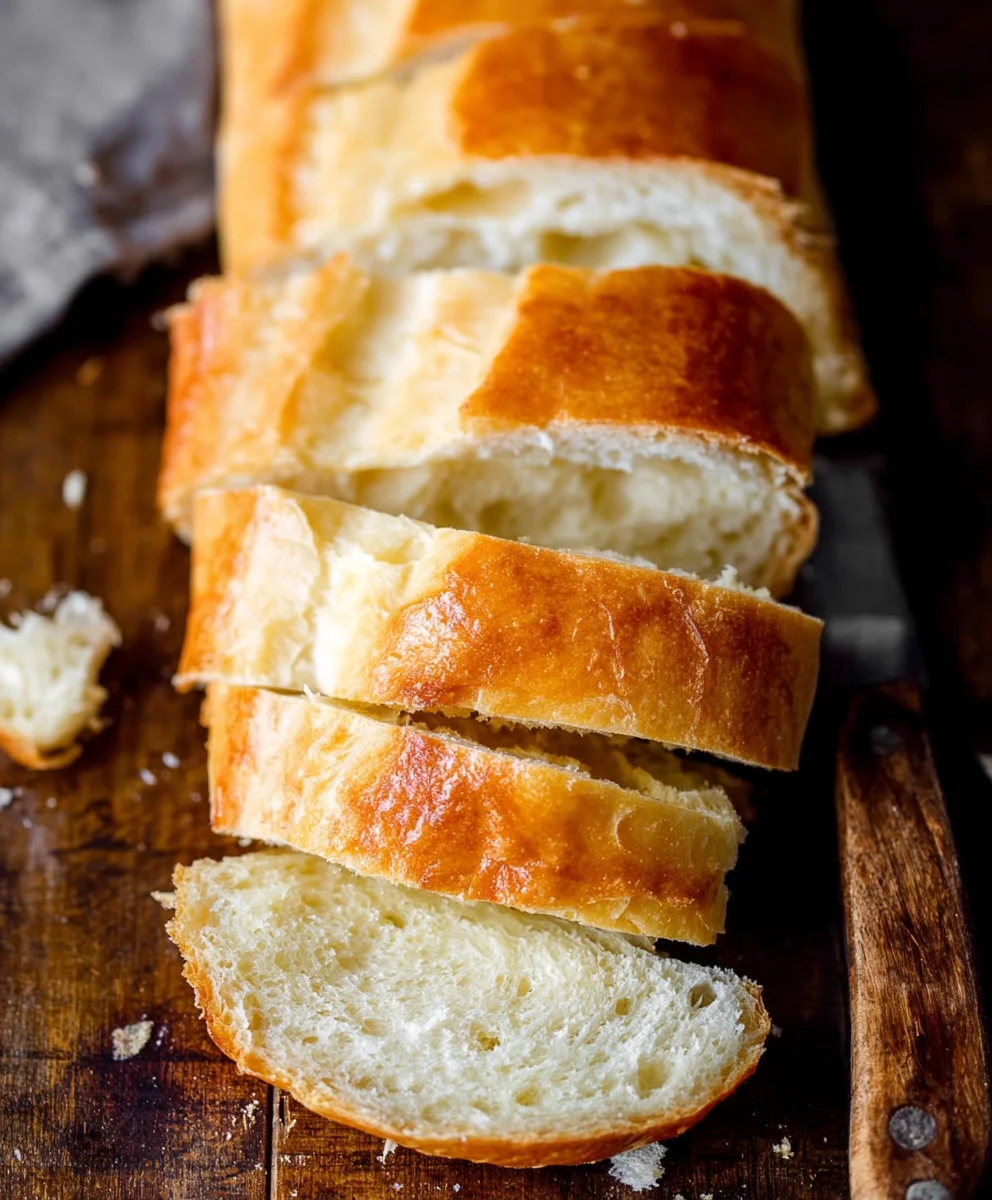
And there you have it – your very own delicious, crusty, and undeniably impressive One Hour French Bread Recipe! We’ve shown you just how achievable homemade French bread can be, even on a busy schedule. The aroma that fills your kitchen as this bread bakes is truly something special, and the taste of warm, fresh bread straight from your oven is unparalleled. Don’t be intimidated; this recipe is designed for success, and with a little practice, you’ll be a French bread baking pro in no time!
For serving, this versatile loaf is perfect alongside your favorite soups and stews, as the foundation for a gourmet sandwich, or simply slathered with butter and enjoyed on its own. Feel free to experiment with variations! Add a sprinkle of herbs like rosemary or thyme to the dough for an extra flavor dimension, or brush the top with a garlic-infused olive oil before baking for a savory twist. Most importantly, have fun with it and enjoy the rewarding process of baking your own One Hour French Bread Recipe!
FAQs for One Hour French Bread Recipe:
Q1: Can I make this bread ahead of time?
While this One Hour French Bread Recipe is designed for quick baking, you can certainly bake it ahead of time. Once completely cooled, store it in a loosely tied paper bag at room temperature for up to two days. For longer storage, slice the bread and freeze it in an airtight container or freezer bag. Reheat slices in a toaster or oven until warm and crispy.
Q2: My crust isn’t as crispy as I’d like. What can I do?
Achieving a crispy crust is all about steam! For a more robust crust with your One Hour French Bread Recipe, try placing a shallow pan of hot water on the bottom rack of your oven while it preheats. Alternatively, you can mist the oven walls with water a couple of times during the first 10-15 minutes of baking. This creates the steam needed for that desirable crisp.
Easy One Hour French Bread Quick Bake Recipe
A quick and easy recipe for delicious French bread that can be made in about an hour, perfect for a speedy bake with a crispy crust.
Ingredients
-
1 & 1/2 cups warm water
-
1 tablespoon white sugar
-
1 & 1/2 tablespoons active dry yeast
-
1 & 1/2 teaspoons salt
-
1 & 1/2 tablespoons unsalted butter, softened
-
3 to 4 cups all-purpose flour, spooned and leveled
-
1 large egg white (optional, for brushing the crust)
Instructions
-
Step 1
Activate the yeast: In a large mixing bowl, combine 1 & 1/2 cups warm water and 1 tablespoon white sugar. Sprinkle 1 & 1/2 tablespoons active dry yeast over the top and let sit for 5-10 minutes until foamy. -
Step 2
Combine wet and dry ingredients: Add 1 & 1/2 tablespoons softened butter and 1 & 1/2 teaspoons salt to the yeast mixture. Gradually add 3 cups of all-purpose flour, stirring until a shaggy dough forms. -
Step 3
Knead the dough: Turn the dough onto a lightly floured surface and knead for 7-10 minutes until smooth and elastic. Add more flour sparingly if needed. -
Step 4
First rise: Place the kneaded dough in a lightly greased bowl, cover tightly, and let rise in a warm place for 30-45 minutes, or until doubled in size. -
Step 5
Shape the loaves: Gently punch down the dough, divide if desired, and shape into loaves. Place on a parchment-lined baking sheet or baguette pan. -
Step 6
Bake: Preheat oven to 400°F (200°C). Brush loaves with optional egg white. Score tops if desired. Bake for 20-25 minutes until golden brown and hollow-sounding.
Important Information
Nutrition Facts (Per Serving)
It is important to consider this information as approximate and not to use it as definitive health advice.
Allergy Information
Please check ingredients for potential allergens and consult a health professional if in doubt.