Easy Chimichurri Sauce Recipe-Fresh Herb Flavor
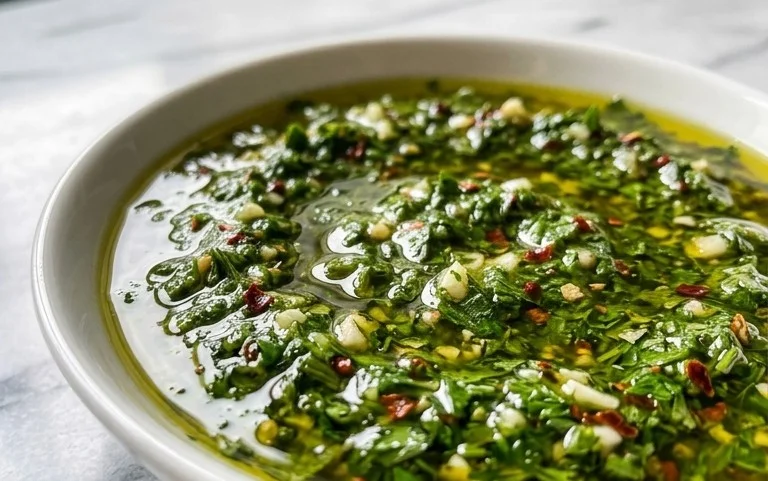
Chimichurri sauce recipe: a vibrant, herbaceous elixir that promises to transform your grilled meats from merely delicious to downright unforgettable. If you’ve ever found yourself mesmerized by the bold flavors gracing Argentinian parrilladas, you’ve likely encountered the magic of this iconic condiment. What is it about this simple, uncooked sauce that garners such widespread adoration? It’s the perfect storm of fresh, bright ingredients – a symphony of parsley, oregano, garlic, vinegar, and olive oil – that creates an unparalleled zesty punch. This chimichurri sauce recipe isn’t just a sidekick; it’s the star player, offering a refreshing counterpoint to rich, smoky flavors and awakening your palate with every bite. Get ready to elevate your culinary game with this foundational chimichurri sauce recipe!
Chimichurri Sauce Recipe
There are few sauces that possess the vibrant, herbaceous punch of chimichurri. This Argentinian condiment, traditionally served with grilled meats, is a game-changer for elevating any dish. Its bright, zesty flavor profile and fresh, herbaceous aroma are simply irresistible. Forget bland marinades; chimichurri is your secret weapon for adding instant sophistication and incredible taste to everything from steak and chicken to fish and roasted vegetables. It’s surprisingly easy to make at home, and once you try it, you’ll find yourself reaching for this recipe time and time again. The beauty of chimichurri lies in its simplicity and the quality of its fresh ingredients. Let’s dive into how you can whip up this magnificent sauce yourself.
Ingredients:
Creating Your Chimichurri Masterpiece
This recipe focuses on fresh, high-quality ingredients to achieve that authentic, bright flavor. The key is to use fresh herbs and good olive oil. Don’t skimp on the quality here, as it truly makes a difference in the final taste.
Step-by-Step Instructions:
Prepare the Herbs and Aromatics: The first and most crucial step is to meticulously prepare your fresh herbs. You want to ensure that only the leaves are used, as the stems can impart a more bitter flavor and a less desirable texture to your chimichurri. For the parsley, cilantro, and oregano, gently strip the leaves from their stems. You can do this by holding the stem firmly and running your thumb and forefinger down the stem towards the base. For the red onion or shallots, give them a good rough chop. The goal isn’t to mince them finely at this stage, as the food processor will take care of breaking them down further. Peel your garlic cloves; you can give them a rough chop as well to help them process more easily.
Pulse the Solids: In the bowl of a food processor, combine the prepared parsley leaves, cilantro leaves, oregano leaves, roughly chopped red onion (or shallots), and peeled garlic cloves. Add the red pepper flakes to this mixture. Now, pulse the food processor several times until the ingredients are finely chopped but not yet a paste. You’re looking for a texture that resembles coarse breadcrum extractbs. The pulsing action helps to break down the herbs and aromatics evenly without over-processing them into a mush. If you don’t have a food processor, you can achieve a similar result by finely mincing everything by hand with a sharp knife, although this will take more time and effort.
Incorporate the Liquids and Seasoning: Once you have your finely chopped herb and aromatic mixture, it’s time to add the liquids and seasoning. Pour in the extra-virgin extract olive oil, red grape juice vinegar, and fresh lemon juice. The red grape juice vinegar provides a unique, slightly fruity tang that differentiates it from other vinegars, while the lemon juice adds a bright, citrusy lift. Finally, add the kosher salt. It’s important to use kosher salt as its larger flakes dissolve more slowly, allowing for a more controlled distribution of saltiness throughout the sauce.
Process to Perfection: With all the ingredients in the food processor, it’s time to process again. This time, you’ll want to process until the sauce is well combined and reaches your desired consistency. For a chunkier chimichurri, pulse just a few more times. For a smoother sauce, process for a bit longer until it’s more homogeneous. It’s a good idea to stop periodically and scrape down the sides of the food processor bowl with a spatula to ensure everything is incorporated evenly. Taste the sauce at this point and adjust seasoning if necessary. You might want to add a pinch more salt, a touch more vinegar for tang, or even a little more lemon juice for brightness. The beauty of homemade is that you can tailor it to your exact preferences.
Rest and Marinate: Once your chimichurri has reached your desired consistency and the flavors are perfectly balanced, transfer it to a clean bowl or an airtight container. For the best flavor, I highly recommend letting the chimichurri rest for at least 30 minutes, and ideally for a couple of hours, before serving. This resting period allows the flavors to meld and deepen. The garlic and onion will mellow slightly, and the herbs will infuse their essence into the olive oil and vinegar. You can make chimichurri several hours or even a day in advance; the flavors will only improve with time. Store it in the refrigerator, and if the olive oil solidifies, simply let it sit at room temperature for a few minutes before serving to allow it to loosen up.
This versatile sauce is incredibly adaptable. While the classic pairing is with grilled meats, don’t hesitate to experiment! Drizzle it over grilled chicken breasts, pan-seared fish, or roasted vegetables like asparagus or potatoes. It’s also fantastic as a dip for crusty bread, a topping for tacos, or even stirred into a salad dressing. The vibrant green color and the invigorating aroma will instantly elevate any dish. Enjoy the taste of Argentina, right from your own kitchen!
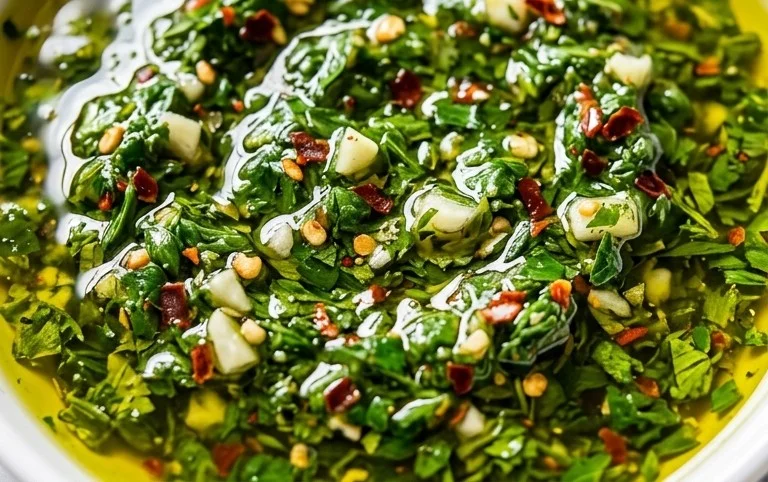
Conclusion:
There you have it – your guide to making incredible, vibrant Chimichurri Sauce! This recipe is truly a game-changer because it’s so incredibly fresh and flavorful, elevating even the simplest of dishes. Its bright, herbaceous profile is the perfect counterpoint to rich, grilled meats like steak or chicken, but its versatility knows no bounds. Don’t hesitate to try it drizzled over roasted vegetables, tossed with pasta, or even as a dipping sauce for crusty bread.
I encourage you to experiment with this Chimichurri Sauce recipe. Once you’ve mastered the basic version, feel free to explore variations. Add a pinch of red pepper flakes for a touch of heat, or swap out some of the parsley for fresh cilantro for a different herbaceous note. The possibilities are endless, and I’m confident you’ll find it’s a sauce you’ll want to make again and again.
Frequently Asked Questions:
Can I make this Chimichurri Sauce ahead of time?
Absolutely! Chimichurri Sauce actually tastes even better after it’s had a chance to sit for at least an hour, allowing the flavors to meld beautifully. You can store it in an airtight container in the refrigerator for up to a week. Just give it a good stir before serving.
What if I don’t have fresh oregano?
While fresh oregano is ideal for that authentic flavor, you can use dried oregano in a pinch. Use about one-third of the amount of dried oregano compared to fresh. However, the fresh herbs are what truly make this Chimichurri Sauce shine, so I highly recommend seeking them out if possible.
Is Chimichurri Sauce spicy?
The classic Chimichurri Sauce recipe is not typically spicy. The “heat” comes from the fresh garlic and a touch of vinegar. If you prefer a spicier sauce, you can add a pinch of red pepper flakes or a finely minced jalapeño pepper to the mix.
Chimichurri Sauce Recipe
A vibrant and zesty Argentinian sauce perfect for grilling, marinating, or as a condiment.
Ingredients
-
1 cup fresh Italian flat-leaf parsley, leaves only, stems removed
-
1/4 cup fresh cilantro, leaves only, stems removed
-
1/4 cup fresh oregano, leaves only, stems removed
-
1/3 cup roughly chopped red onion
-
3 cloves garlic, peeled
-
1/2 teaspoon red pepper flakes
-
1/2 cup extra-virgin olive oil
-
1/4 cup red grape juice vinegar
-
3 tablespoons fresh lemon juice
-
1 teaspoon kosher salt
Instructions
-
Step 1
Finely chop the parsley, cilantro, and oregano. -
Step 2
In a food processor or blender, combine the chopped herbs, red onion, and garlic. -
Step 3
Pulse the mixture until finely minced but not a paste. -
Step 4
Add the red pepper flakes, extra-virgin olive oil, red grape juice vinegar, fresh lemon juice, and kosher salt to the food processor. -
Step 5
Process again until well combined and the sauce is emulsified. Scrape down the sides as needed. -
Step 6
Taste and adjust seasoning if necessary. For best flavor, let the chimichurri sit for at least 15-30 minutes before serving to allow the flavors to meld.
Important Information
Nutrition Facts (Per Serving)
It is important to consider this information as approximate and not to use it as definitive health advice.
Allergy Information
Please check ingredients for potential allergens and consult a health professional if in doubt.